
Step-by-Step Repair: From Stabilization to Preservation
It’s important to understand the distinction between “stabilization” and “preservation.” In the context of your home, stabilization refers to the initial phase of treatment. This is when any immediate issues are addressed to prevent further damage. It often involves activities such as removing standing water, installing a French drain, or fixing a leak. Essentially, stabilization is about stopping the bleeding. Preservation, on the other hand, is the ongoing phase. After the problem is stabilized, preservation methods are used to ensure the issue doesn’t recur. This might include measures like waterproofing your basement or using a dehumidifier to maintain low humidity levels. Think of preservation as aftercare for your house. Now that you know the difference, let’s dive into how to repair water damage.
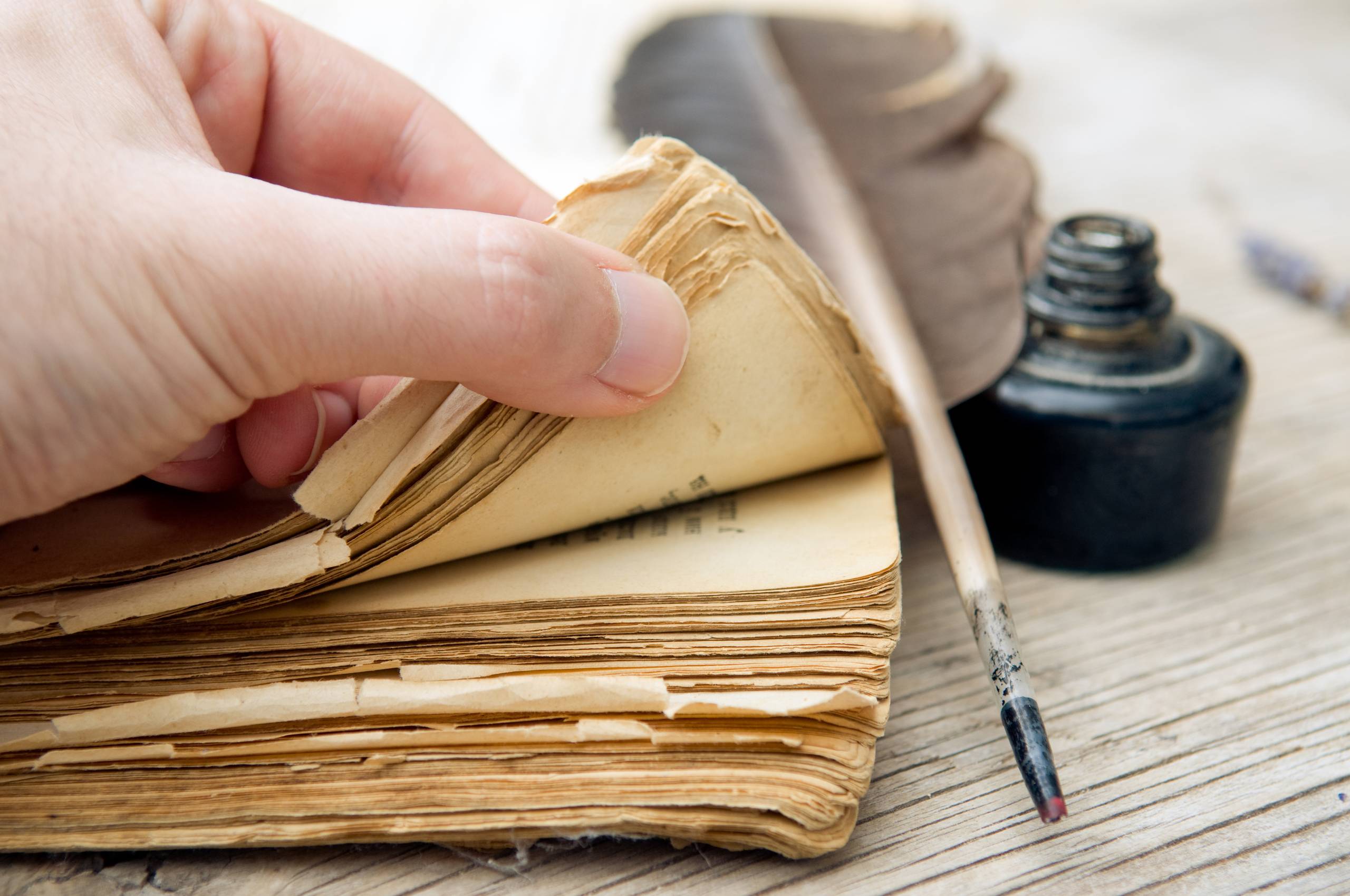
The first step in any repair is stabilization. Stabilization refers to the steps needed to protect a book while beginning to work on the finer details of restoration. It is often necessary to stabilize a book because cleaning or repairing a fragile object can cause further damage. Stabilization may include anything from shoring up weak hinges to reinforcing individual pages, so that the book can be opened and closed without additional tearing. It is important to begin with stabilization, because this gives you the ability to handle your book with confidence, instead of rushing through repairs to minimize the risk of doing further damage.
The second the book is secure, the book repair steps can be completed in a series from the most critical to the least, that way, if you are fixing a tear, or replacing the spine or re-adhering a cover, you can make sure that all of the previous repairs are made in such a way that they do not have to be redone. For instance, if you repair a book binding first and then repair a torn page, you will have a book that is much more likely to stay square and hold the page in alignment, again making it easier to repair without having to do the repair again.
Throughout the repair process, it is the little things that matter. Too much or too little glue? Too much pressure? A little more or less? The more you work with something as sensitive as paper, the more you will realize how significant these details are. Working at a slow and deliberate pace also gives you time to check your work at each stage to see what you might need to change. This attitude of using a repair to actually preserve the original material, while not rushing to finish the task is what separates a craftsperson from someone who just slaps on a band-aid.
Once the structural treatments have been carried out, any subsequent steps are aimed at further stabilizing the book, and perhaps improving its appearance. This might include surface cleaning, compacting mends, and possibly reinforcing the cover to allow it to serve the needs of the textblock. The intent of preservation is not to return the book to a state of newness. It is rather to make the book strong and functional while retaining its historical integrity. A preserved book should be balanced, open well, and not exhibit new signs of wear or stress on the book. The preservation should look natural and last.
Last, but not least, preservation is about recording what you did and how you can care for the book in the future. What did you use? How did you do it? It’s keeping a record of your restoration that shows you what has been done and will guide you in any future restorations. It is also about pride for the restorer. You are showing the world what you have accomplished and teaching yourself that you should not rush through the job. Preservation is storing the book properly, handling it properly and knowing how to fix small problems before they become major damage.