
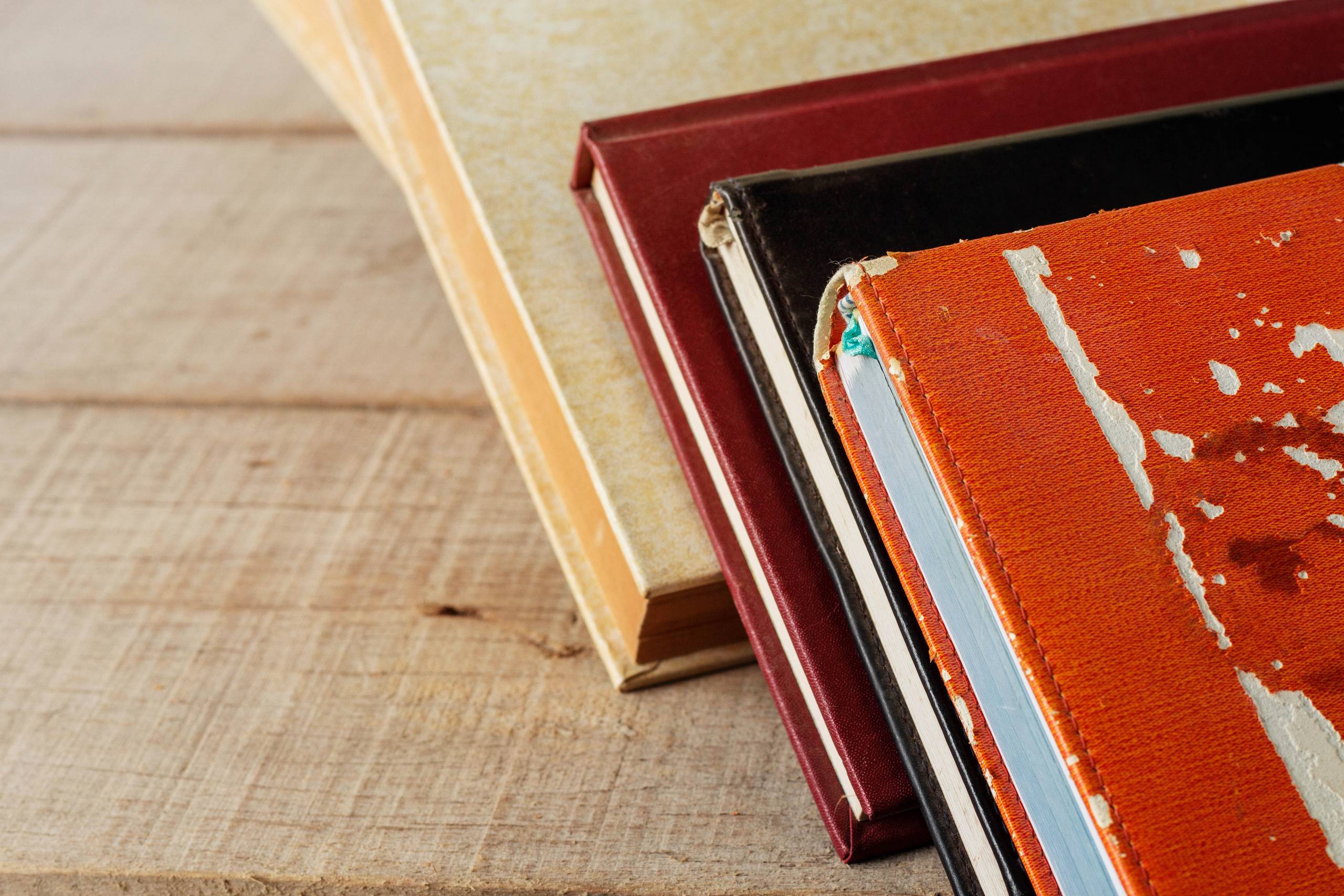
The Art of Choosing the Right Materials for Restoration
Choosing the right material is essential for any restoration project. It has to match the existing building material as closely as possible. If it does not, then the restored item will stand out like a sore thumb. So it is important to select the material very carefully. Otherwise, you may end up with a conspicuous repair.
The selection of materials for a restoration is essential for a successful restoration and is one of the most common areas where inexperienced restorers go wrong. Materials used for a restoration must be sympathetic to the age and state of the book if the restoration is to stand the test of time and not be readily apparent. Many modern materials will deteriorate to a point where they may discolour, become brittle or fall apart in years to come. A good choice of materials will support the book but not dominate the repair so the book will still retain its personality but will now be stronger and longer lasting.
The first thing to consider is the paper. The paper could be any weight, have any fibers, or may age differently. You will want to find a repair paper that closely resembles these characteristics. This paper should be chemically stable, flexible, and similar to the original paper so that over time the differences will not become distracting. The repair paper should also be acid free and archival to ensure that it will not contribute to further degradation in the future. This will help the repair to remain as inconspicuous as possible and not cause additional strain to the original leaves.
When selecting adhesives, one must make the same decisions. While certain types of adhesives seem like a good idea and might make the work easy, they can harden, yellow, and become inflexible as they age, which can continue to damage the book. Adhesives used in restoration should be strong and remain flexible, but should not compromise the paper. In addition, the adhesives should be reversible, if possible, or inert, meaning that they can be removed or manipulated without damage to the original. This is a topic that, over time, becomes easier, but there are certain adhesives that are known to be acceptable.
Additionally, you should take care with the materials you use for binding and cover repair. The type of cloth, leather, or board you use should be similar in appearance to the original, especially if you need to strengthen or replace the cover. The use of similar materials will help you to maintain the appearance of the book while making it structurally stronger. The materials should be strong, but still flexible. You want the book to open and close freely, without putting additional pressure on the spine or joints.
Lastly, the preparation and organization of materials used in book conservation helps aid the process as well. For example, keeping a work surface clean, cutting papers to the correct dimensions, and measuring out the proper amount of adhesives helps keep the conservation process flowing easier and helps prevent errors. Performing the prep work helps keep a person patient and methodical in their conservation, which is important when dealing with fragile books. With proper material selection and preparation, the restoration process is more predictable and enjoyable, and the end product is a restored book that not only seems cared for, but also appears as originally intended.